Continents
Countries
Events
Attendees
SELL MORE STUFF!
Insightful and entertaining marketing insights.
Performances — not speeches or sales pitches.
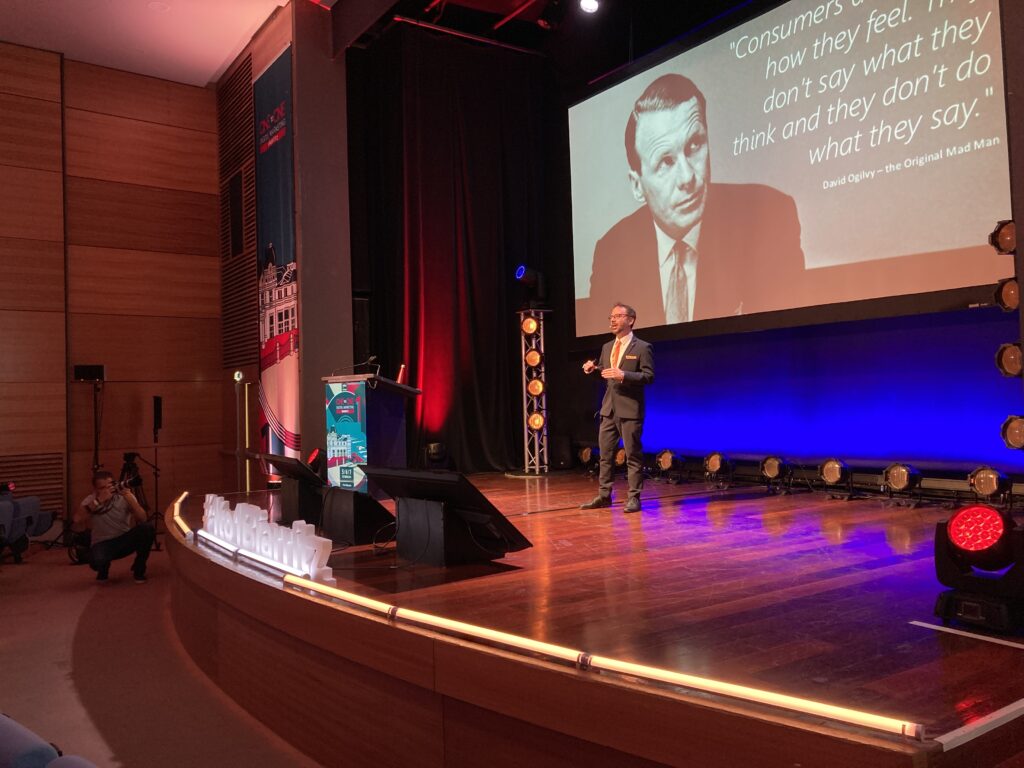
After a career in journalism and years in marketing, Samuel Scott is now Head of Marketing at connected TV advertising platform Adte, a professional keynote marketing speaker, and member of Toastmasters International as well as the writer of The Promotion Fix column for The Drum.
He has Mini-MBAs in marketing and brand management from Marketing Week in London, a Master of Advertising Effectiveness from the World Advertising Research Center (WARC), and certifications from the Chartered Institute of Marketing in the UK (CIM UK) in marcom planning, B2B product management and product marketing, copywriting, and AI tools in marketing.
In 2019, Scott was a judge for the UK Ad Association’s Young Lions competition in advance of the Cannes Lions International Festival of Creativity. Follow him on Twitter and LinkedIn.
Meet Samuel Scott in 60 Seconds -- His Introduction and Speech Previews
(NOTE: If you are interested in hiring Samuel for speeches or training workshops, you see his full videos by contacting him by filling out the form below.)
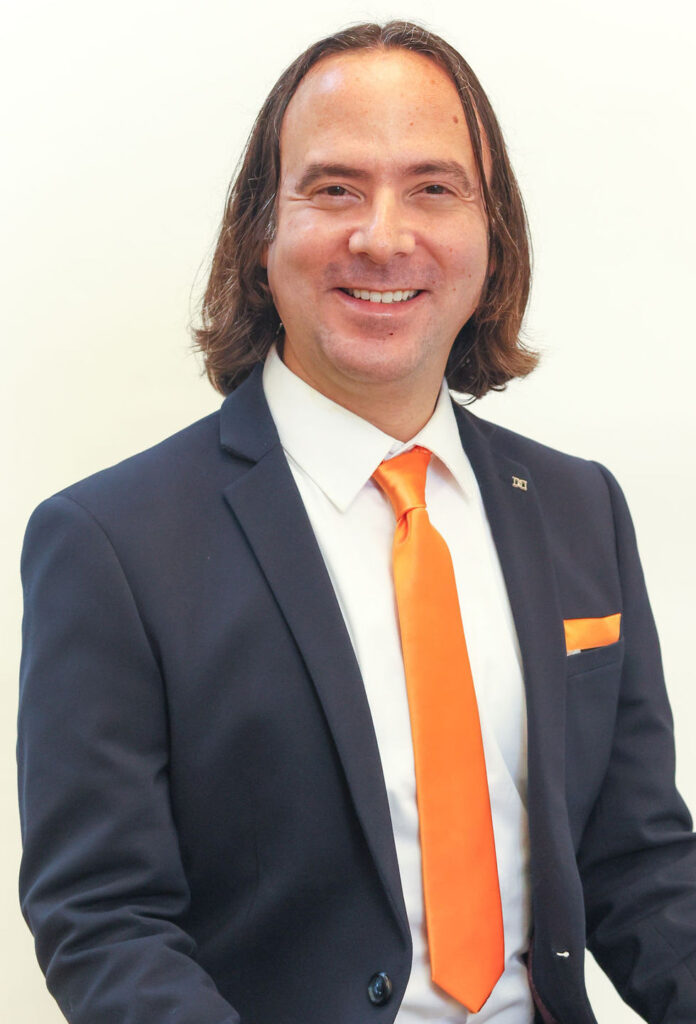
 Upcoming Speaking Appearances
 Upcoming Speaking Appearances
If Samuel will be close to you soon, he can usually add additional appearances to a trip. Get in touch!
2026
Events are to be announced soon!
Main Talk & Workshop (From One Hour to One Day to Multiple Days)
EVERYTHING YOU EVER WANTED TO KNOW ABOUT MARKETING (But Were Afraid to Ask)
(This can be a talk or a lengthier workshop. I can also tailor this to specific issues or problems that your industry is facing. The gist: How to sell more stuff!)
Advertising, communications, and marketing are not the same thing. In fact, they mean very different and important things. In this workshop, Samuel outlines the end-to-end marketing process that has been created in academia and proven in the real world. He introduces the overall approaches that have been developed by the leading people in the field over decades and then adds further context and specific examples from his own career in marketing. This covers research, segmentation, targeting, positioning, funnel analysis, financial objective setting, product management and product marketing, pricing, distribution, marcom planning, and copywriting. Marketing is a lot more than just “creating content.”
Actionable takeaways:
— Learn the entire, end-to-end marketing process.
— Understand the theoretical foundations and then see real-world examples from Samuel’s career and elsewhere.
— See the best practices for each individual step and how they all relate to each other.
— Connect campaign metrics to strategic objectives to company business goals.
— Get handouts and summaries so people can do the same at their jobs.
More Keynotes and Talks
When Tracking is Impossible
MARKETING IN 2026: What Should We Do As We Return to the Age of Privacy?
Commercial e-mail messages are all blocked or sent to spam folders. Ad blockers stop all online advertising and even prevent analytics platforms like Google Analytics from loading. Web browser plugins stop everything from tracking people. More and more of Google’s search-engine results pages are Google’s own websites or ads. Few download new, mobile apps anymore. For twenty years, digital marketing was built on the foundation of everything being instantly trackable and measurable. But today, it seems that we are returning to the world that existed before the Internet. Or are we? In this talk, Samuel Scott will show the ghosts of marketing past and present to reveal how we should think about marketing in the future.
Actionable takeaways:
— Learn how marketing was done before the Internet (and how, in some ways, it should still be done)
— Understand how the common practices of digital advertising are all breaking down
— See how to mix the old and the new to do the most effective marketing today
All About AI
MARKETING IN 2026: How — And How Not — to Use AI and Other New Tech
Is AI hype or something real? Samuel says the answer is a bit of both. In this keynote address, he walks through the entire marketing process from market research at the beginning to communications tactics at the end to show how artificial intelligence and other new tools can or cannot help at each step along the way. Then, he highlights some of his favorite tools and shows how to use them within the overall framework.
Actionable takeaways:
— Get an introduction the entire, end-to-end marketing process (research / diagnosis / strategy / tactics).
— Learn how AI and other new tools can or cannot help specific parts of that work.
— See recommended examples of those tools and how to use them.
For Sustainability Audiences
ACTIONS, NOT ADS: How Your Company Can Both Increase Sustainability and Grow Your Business
Many consumers say they prefer sustainable products and do not want to support sweatshops, but they still often buy the cheapest clothing and running shoes made in such places anyway. Companies today want to do better, but they are getting such mixed signals from customers. In this keynote, Samuel will show how companies can navigate this complex environment and both help the world and sell more products at the same time. The key to understand: Actual sustainability goes far beyond just saying nice stuff in ads, and the benefits go far beyond just selling more stuff — it can help the world at the same time
Actionable takeaways:
— See examples of companies in various industries and countries that are helping both to increase sustainability and to grow their businesses at the same time.
— Optional: Connect those examples to improving efforts to recruit and retain Generations Y and Z
For Marketers Who Want to Be More Effective
BETTER TOGETHER: How Brand and Performance Advertising Both Fuel Growth
The marketing world has become obsessed with online direct response and short-termism, both of which are hurting long-term advertising effectiveness. In this talk, Samuel argues that we need to get out of our bubble and rethink our approach to media planning today by integrating traditional and online channels as well as long-term and short-term strategies in the most effective ways. Here, he will show how both types of advertising can work together for maximum effectiveness.
Actionable takeaways:
— Learn the difference between “brand” and “performance” advertising tactics.
— See how they both “perform” — they just perform in different ways and in different time frames.
— Understand how to build marcom campaigns that both get sales today and build brands for more future sales tomorrow.
For B2B Marketers
THE B2B SECRET: How Building a Brand is the Ultimate “Growth Hack”
On average, 95% of B2B buyers are not currently “in market,” meaning that they are not actively looking for or considering whether to buy a given type of product. As a result, most marcom activity needs to focus on getting remembered by those 95% so that they will think of you when they need your type of solution in the future. That means getting your product “top of mind” and placed on the day one “consideration list” thats are created by buying committees. Most will end up buying one of the products on those shortlists. In this talk, Samuel will discuss the benefits of a strong brand, product marketing versus brand marketing, the importance of mental availability and brand equity, examples of good B2C and B2B branding, how to build a brand, and how to manage and measure mental availability brand equity. After all, B2B marketing is more similar to B2C than people think.
Actionable takeaways:
— Understand the importance of brand equity and how strong brands lead to greater revenue and profit, more sales pipeline in the present and the future, greater conversion rates, higher prices, and overall valuations.
— See how to build mental availability and brand salience among the 95% of B2B buyers who are not in the market right now so that they will remember you when they want to buy a product in the future.
— Learn the step-by-step process of brand positioning, brand codes, brand objectives, brand architecture, tactical execution, budgeting, and tracking.
Other Workshops
- Marketing 101 — an introduction into marketing that covers the entire process of research, segmentation, targeting, positioning, objective setting, product creation, pricing, distribution, promotion, and financial analysis
- Brand 101 — how “brand” is actually just creating future sales pipeline, the benefits of a strong brand, product marketing versus brand marketing, examples of good B2C and B2B branding, how to build a brand, and how to manage and measure brand equity
- Marketing communications — an in-depth seminar on marcom planning that discusses the pros and cons of each tactic and channel and shows how to create effective tactical and media mixes how to create the most effective marcom campaigns and incorporate them into your overall marketing strategy
- Media relations, PR, and publicity — how to create a media relations plan from research to publication and reporter targeting to pitching stories to measuring the right metrics
- SEO — how to get found in organic search results for relevant queries that relate to you, your product, the solutions that you provide, and the questions that you can answer
- Public speaking — workshops and personal coaching for executives and others who want to improve their presentations
Corporate Events
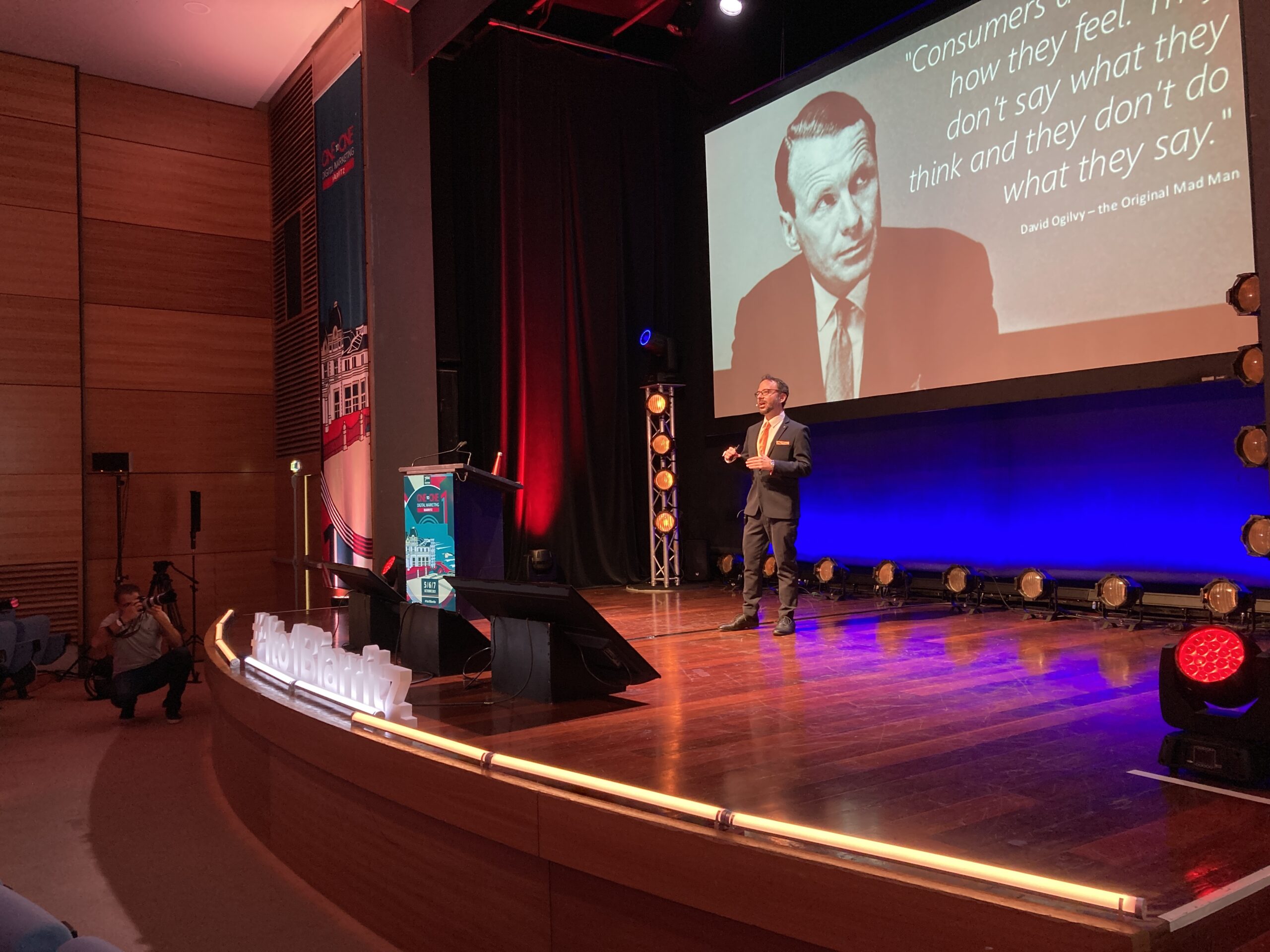
From Europe to South America, Samuel has delivered keynote addresses and moderated panels at business events for clients, employees, and customers.
Marketing Conferences
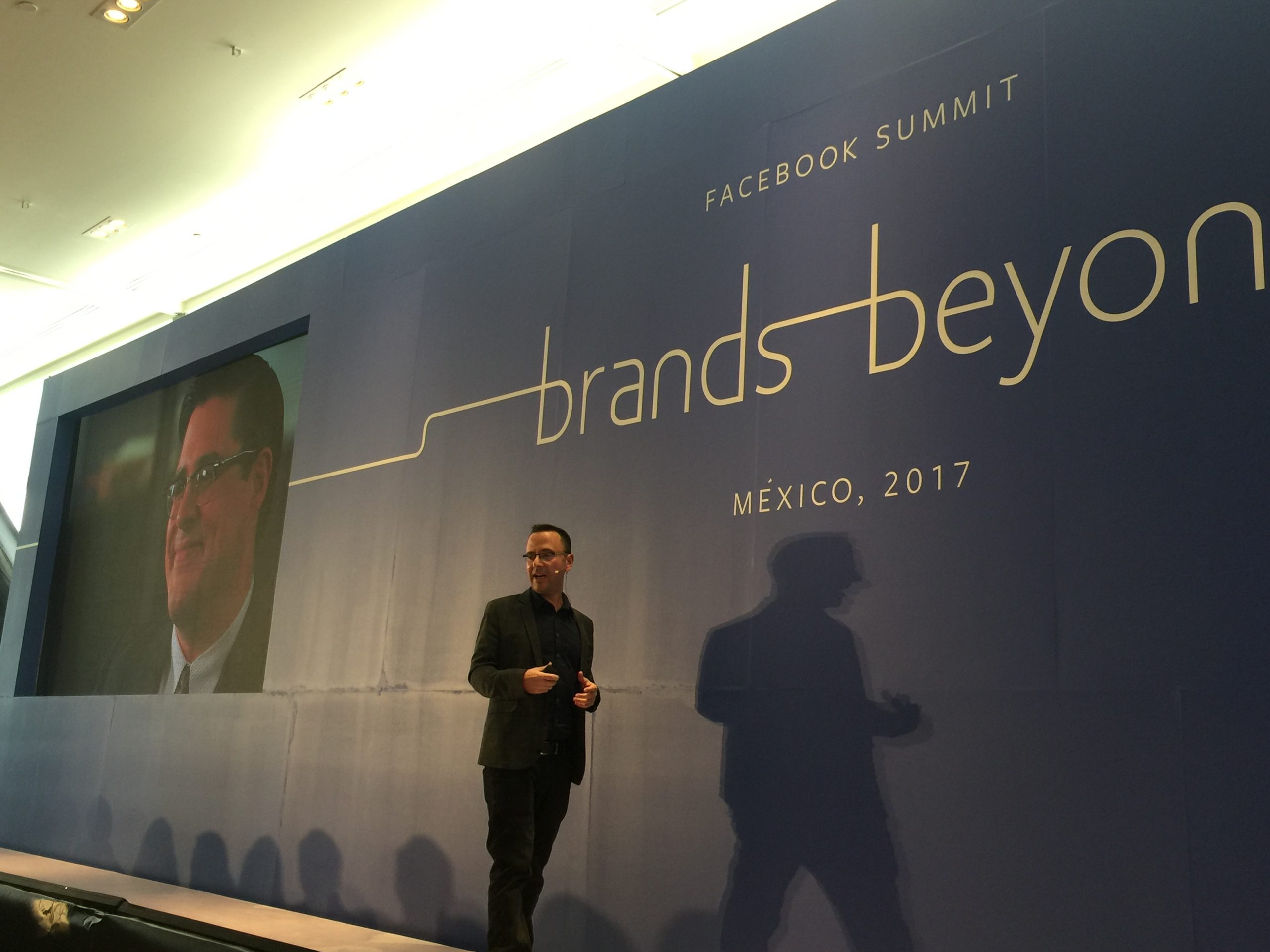
Both virtually and in person, Samuel has given inspirational and informative breakout and keynote addresses at events in the marketing and business worlds.
Follow Me
Where I Write

Testimonials & Featured Clients




"Thank you so much for the best 25 minutes I’ve spent in a long time!"
— Hanne Kjeldstadli Hansen, head of customer care at Simployer
“Thank God for someone talking some f--king sense!”
— Claire Strickett, planner and strategist at London creative agency VCCP
"Not only did he deliver a great presentation full of data and relevant insights, he was also super fun and easy to work with. If you are looking for a reliable speaker covering the latest marketing trends, contact Samuel!"
— Valerija Prevolsek, founder of the SEMPL conference in Slovenia
"Samuel was delivering a presentation at our client and partner event. He had a perfect 30-minute speech about how different media works these days, busting myths and hitting some most painful topics for the whole industry. I can definitely recommend him for any type of event willing to get fresh air i the world of communication bubbles."
— Mindaugas Rakauskas, commercial director at TV3 Lithuania
"Samuel spoke at ProcureCon Marketing Europe 2019 in London, on 'Dispelling the 6 biggest myths in the marketing industry today', and did a brilliant job - he was engaging, interesting and provocative, with an interactive presentation. Recommended!"
—Diane Mekie, conference director for WBR’s ProcureCon Marketing Europe in London
"I came across Samuel several years ago. His articles in The Drum are extremely spot on. We engaged Samuel to speak at our annual conference DSAD. An annual conference that normally attracts 400 advertisers. In 2020, due to the Covid 19 situation the conference was set up as a hybrid. Samuel attended remotely with a prerecorded presentation since it was not possible to travel from Tel Aviv to Norway at the time. Samuel did a very good presentation at this hybrid event. I will certainly recommend Samuel as a keynote speaker."
"Samuel spoke at my event 600Minutes Customer Experience on the 5th of December 2019 and was very much appreciated by the attendees. The event was attended by the leaders within marketing and customer experience from the largest companies of Norway. Many of the attendees gave great praise and commented that they would have wished to hear more or to have him back for other editions of the event. Thank you for coming, Samuel!"
"Samuel Scott spoke to over 2000 paid delegates at Zee MELT 2019 - India's biggest conference that brings marketing, communications and technology under one roof. His thirty minute talk on the biggest myths in the adtech world was extremely well received by our delegates. Beyond the talk, Samuel made it a point to interact with many of the delegates and the other speakers as well, which was highly appreciated."
— Rajesh Kejriwal, founder and CEO of Kyoorius Group in India
Past Presentations and Talks
-
- Advertising Chamber of Slovenia (virtual) — November 2025
- Eurojackpot Company Meeting (Bled, Slovenia) — October 2023
- One to One Digital Marketing (Biarritz, France) — October 2021
- Virtual Talks — 14 talks in 2020 and 2021
- Management Events — Multiple events throughout Europe in 2019
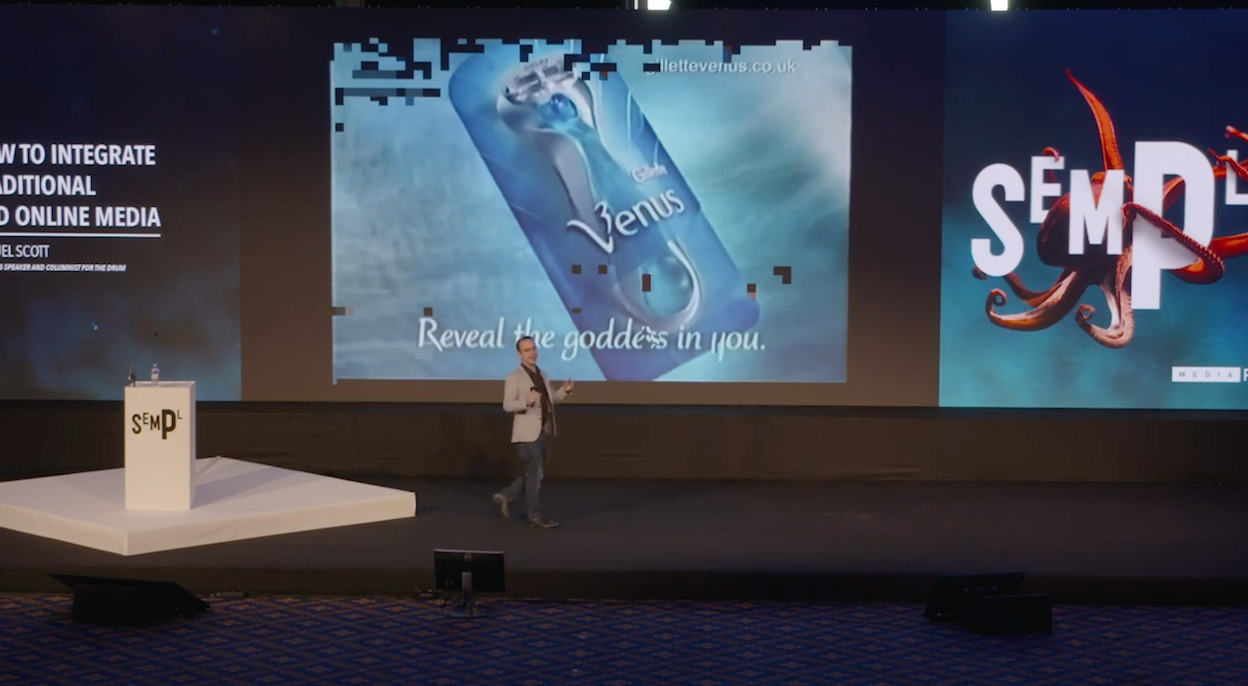
- SEMPL (Portoroz, Slovenia) — November 2019
- Bogazici University (Istanbul, Turkey) — November 2019
- World Marketing Summit (London, England) — November 2019
- DCX Digital Content Expo (Berlin, Germany) — October 2019
- TV3 (Vilnius, Lithuania) — September 2019
- ProcureCon Marketing (London, England) — June 2019
- ZeeMelt (Mumbai, India) — May 2019
- AIM Conference (Los Angeles, California) — May 2019
- Share Algarve (Lisbon, Portugal) — April 2019
- Synergy Digital Forum (Moscow, Russia) — March 2019
- Marketing Festival (Prague, Czech Republic) — March 2019
- The European Summit (Lisbon, Portugal) — March 2019
- Emerce Performance (Amsterdam, The Netherlands) — November 2018
- Fifteen Seconds (Graz, Austria) — June 2018
- Synergy Digital Forum (Moscow, Russia) — May 2018
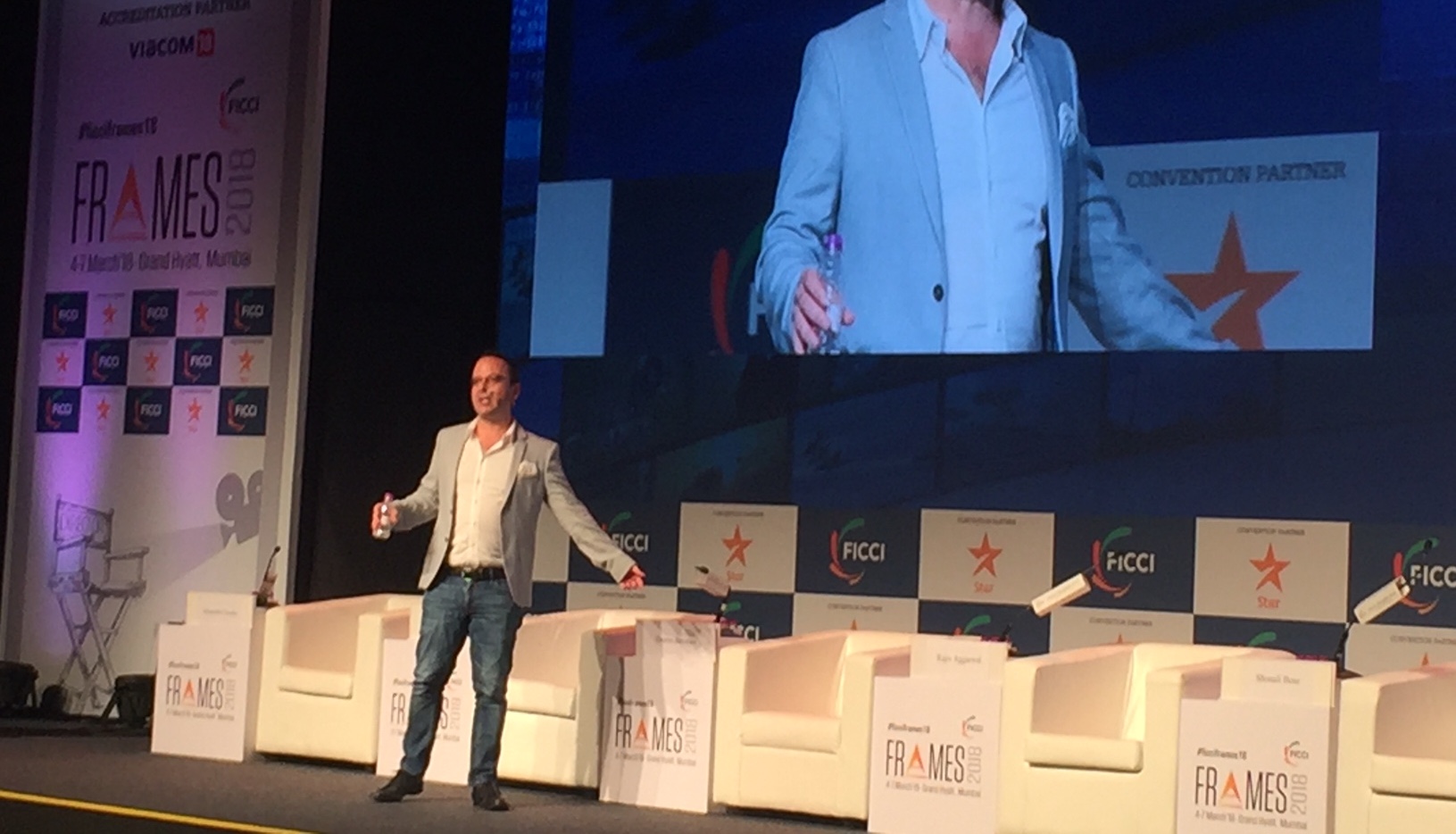
- FICCI Frames (Mumbai, India) — March 2018
- Digital Copenhagen (Copenhagen, Denmark) — November 2017
- CASBAA (Macau) — November 2017
- Digitalzone (Istanbul, Turkey) — October 2017
- Sanoma Media (Helsinki, Finland) — October 2017
- Facebook Brand Summit (Buenos Aires, Argentina) — April 2017
- Facebook Brand Summit (Bogota, Colombia) — April 2017
- Facebook Brand Summit (Mexico City, Mexico) — April 2017
- LiMA DAY (Vilnius, Lithuania) — November 2016
- MozCon (Seattle, Washington) — September 2016
- Content Marketing Masters (Berlin, Germany) — June 2016
- Kahenacon Advanced (Tel Aviv, Israel) — November 2015
- Performance Marketing Insights (London, England) — October 2015
- BrightonSEO (Brighton, England) — April 2015
- SMX West (San Jose, California) — March 2014
- SMX Milan (Milan, Italy) — November 2013
- Private talks at the offices of companies
For Potential Sponsors
If you want to reach audiences of marketers, advertisers, and media professionals, Samuel Scott is the perfect person to sponsor by:
-
Including your research in speeches
-
Demonstrating your platform in workshops
-
Highlighting what your company has been doing
Contact Samuel via the form below for more information.
Fees for Standard Appearances
- A base fee plus hotel, meals at the hotel, local transfers, and business travel on El Al from Tel Aviv booked by the event or agency + any needed coronavirus testing for return to Israel
- Video and pictures of the speech
- All packages require a 50% advance payment deposit to reserve the dates and for the work beforehand
- Guarantee: If your event is postponed or canceled for any reason, the 50% deposit will automatically go towards a future appearance without needing to pay again