Continents
Countries
Events
Attendees
SELL MORE STUFF!
Insightful and entertaining marketing insights.
Performances — not speeches or sales pitches.
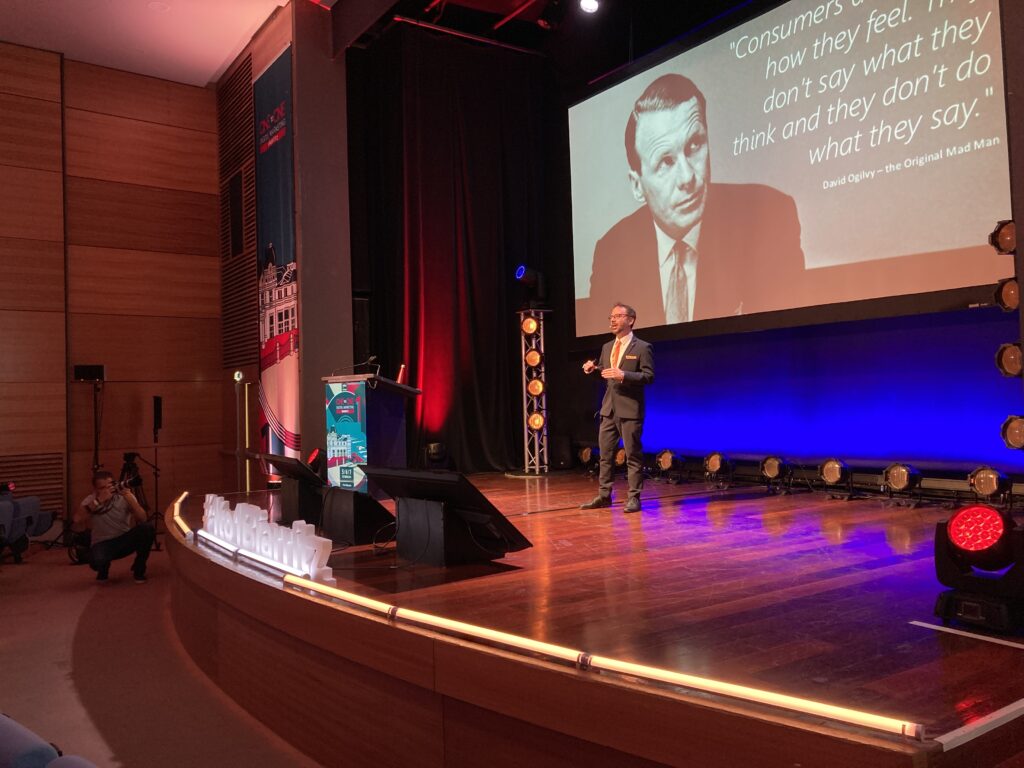
After a career in journalism and years in marketing, Samuel Scott is now a professional keynote marketing speaker and member of Toastmasters International as well as the writer of The Promotion Fix column for The Drum and Head of Marketing for the IT mapping platform Faddom.
In 2019, Scott was a judge for the UK Ad Association’s Young Lions competition in advance of the Cannes Lions International Festival of Creativity. He has Mini-MBAs in marketing and brand management from Marketing Week in London, a Master of Advertising Effectiveness from the World Advertising Research Center (WARC), and a B.S. in journalism from Boston University.
Scott is American and lives in Tel Aviv. Follow him on Twitter and LinkedIn.
Meet Samuel Scott — A 60-Second Introduction
(See full speeches: Integrated Advertising in 2023 and How Brand Purpose Helps Companies)
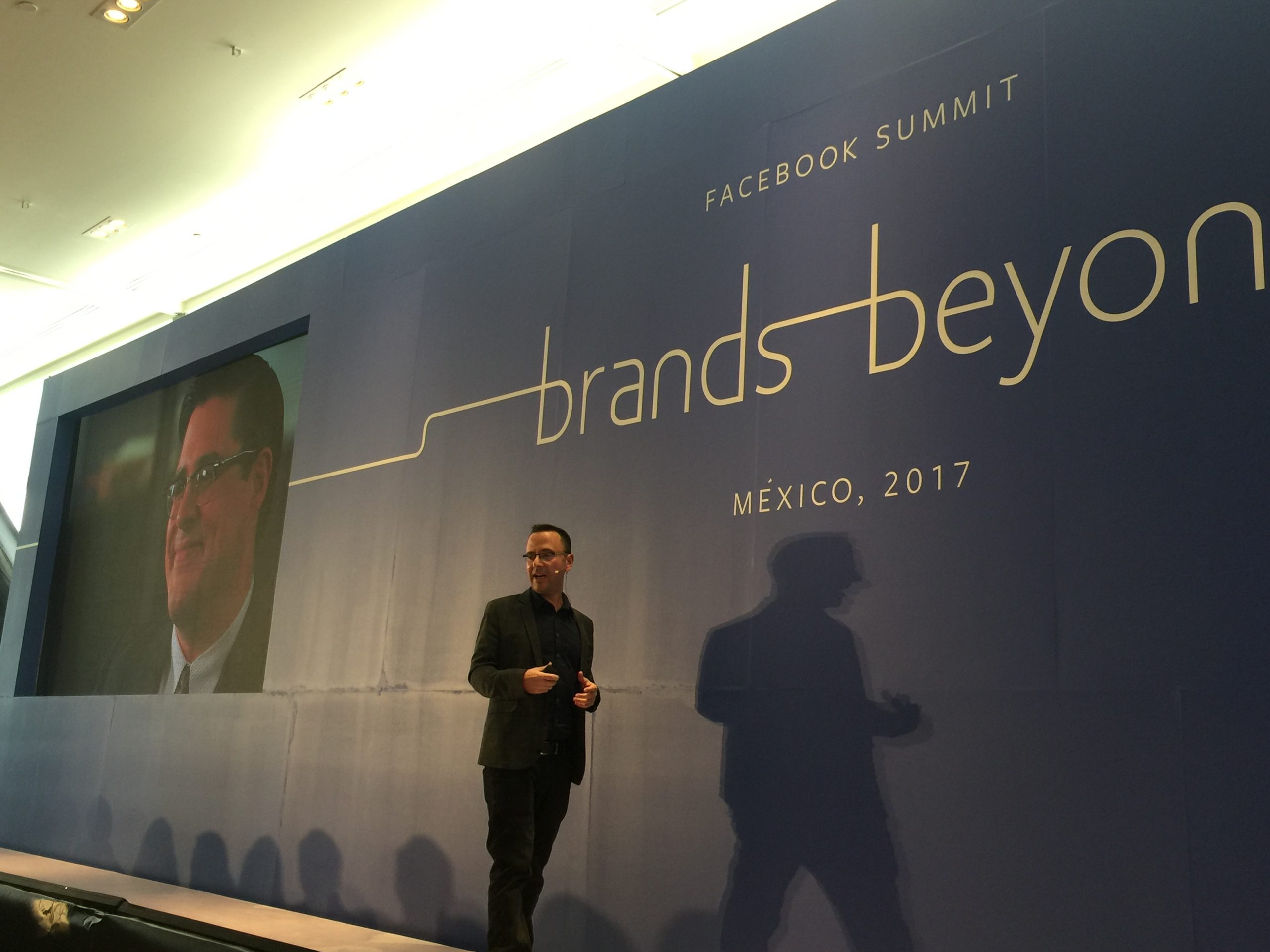
Corporate Events
From Europe to South America, Samuel has delivered keynote addresses and moderated panels at business events for clients, employees, and customers.
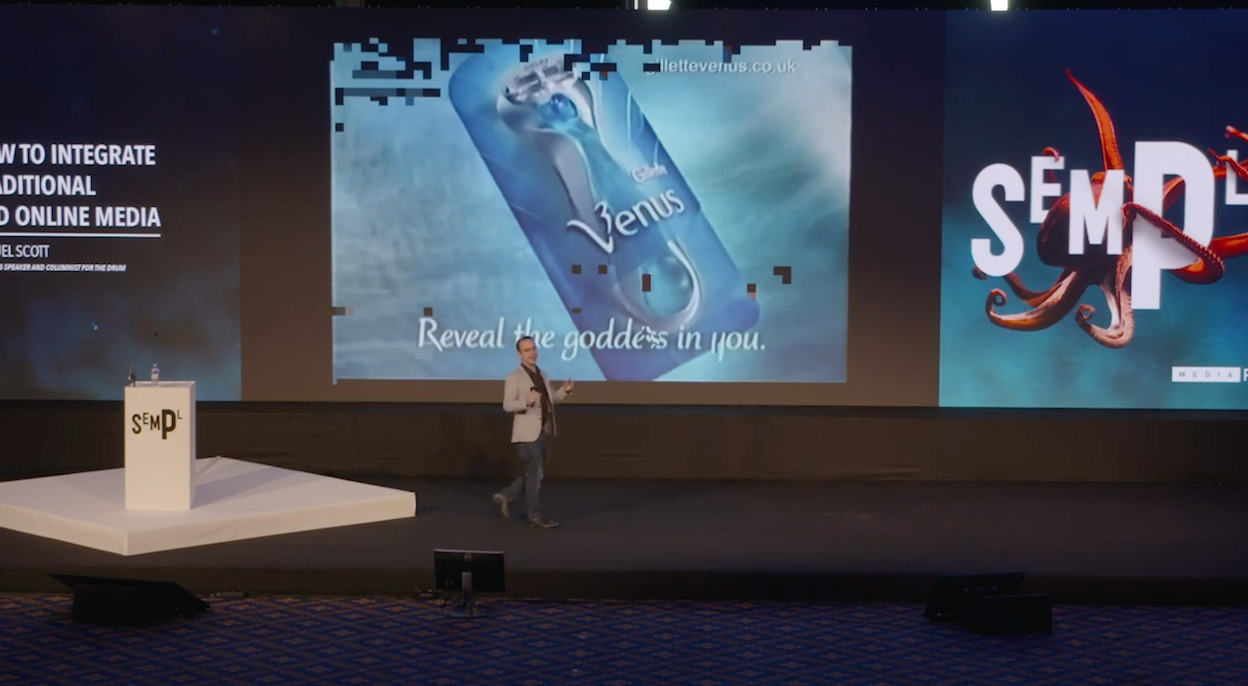
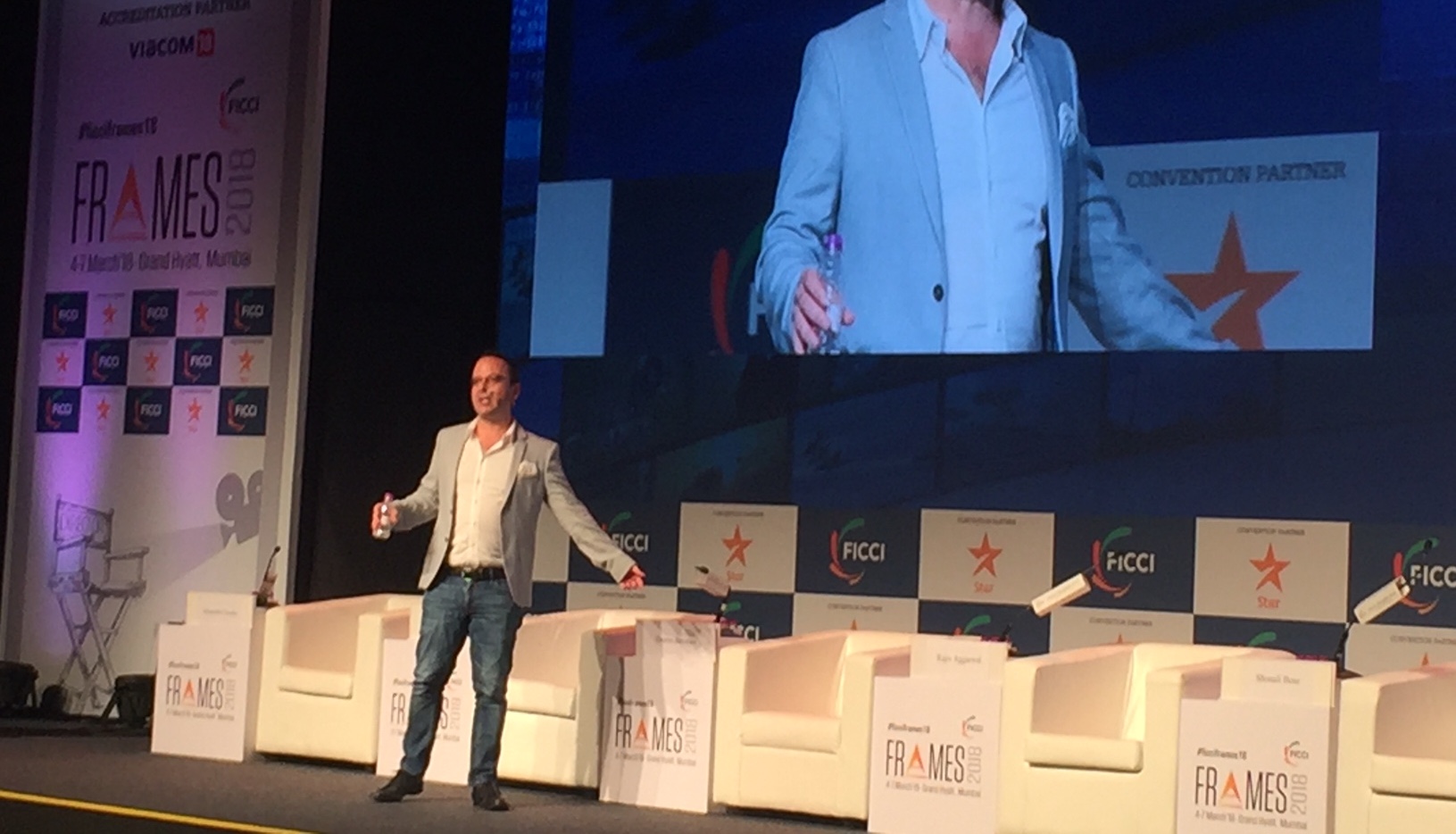
Business Conferences
As an online and in person business speaker, Samuel gives inspirational and informative breakout and keynote addresses at events.
Testimonials & Featured Clients
"Thank you so much for the best 25 minutes I’ve spent in a long time!"
— Hanne Kjeldstadli Hansen, head of customer care at Simployer
“Thank God for someone talking some f--king sense!”
— Claire Strickett, planner and strategist at London creative agency VCCP



Follow Me
Where I Write

My Recent Business Columns
Announcing My Keynotes for 2024
The speaking business events world has returned! For 2024, I am mainly giving talks on these themes. You can click on the name of a talk for more details. Interested in an appearance? Visit my speaking page and drop me a line! Or feel free to recommend me to event...
I’m starting a Britpop band to teach B2B marketers about the importance of segmentation
My new column is live in The Drum: Columnist Sam Scott offers an admittedly unusual lesson into market segmentation through the prism of Britpop. ParkLife, forget it, this is MarketingLife. We’re in the final quarter of 2023. B2B marketers are starting to review their...
AI or BS? How to tell if a marketing tool really uses artificial intelligence
My new column is live in The Drum: AI or BS? How to tell if a marketing tool really uses artificial intelligence Amid the giddy excitement about artificial intelligence, chronicled in our latest deep dive, columnist Sam Scott cautions us to look twice at some of the...
For Potential Sponsors
If you want to reach audiences of marketers, advertisers, and media professionals, Samuel Scott is the perfect person to sponsor by:
- Including your research in speeches
- Demonstrating your platform in workshops
- Highlighting what your company has been doing
Learn more at Samuel’s marketing speaker page.